
⚠ Important Information
This content is provided for informational purposes and does not constitute medical advice. Consult a qualified orthopaedic surgeon for any decision regarding knee surgery or sports injury treatment.
Surgical approaches have transformed dramatically. Precision has improved. Recovery protocols are smarter. Yet choosing between arthroscopic reconstruction, robotic-assisted procedures, and navigated techniques requires understanding what each genuinely offers—and where limitations remain.
In this article
Why Modern Knee Surgery Delivers Better Outcomes Than a Decade Ago
Failure rates among primary ACL reconstruction have dropped substantially. According to an updated review on ACL reconstruction outcomes, current failure rates range from 3.2% to 11.1%—figures that would have seemed optimistic fifteen years ago when re-rupture rates exceeded 15% in many centres.
What changed? Three factors converge.
3.2–11.1%
Primary ACL reconstruction failure rate (2024 data)
First, anatomical graft placement replaced older non-anatomical techniques. Surgeons now position grafts precisely where the native ligament attached, restoring natural knee kinematics rather than creating a functional but biomechanically imperfect substitute. Second, imaging technology—particularly high-resolution MRI and 3D surgical planning—allows surgeons to map individual anatomy before making incisions. Third, rehabilitation science matured. Structured protocols emphasise strength thresholds and functional testing over arbitrary timelines.
Representative case pattern: Combined ACL and meniscus injury
A 28-year-old competitive footballer sustained a complete ACL rupture with lateral meniscus tear during a match in 2023. Treatment involved arthroscopic ACL reconstruction using hamstring autograft combined with meniscal repair. Return to competitive training occurred at 9 months post-surgery; full match clearance followed at 11 months after completing functional testing protocols. This timeline reflects contemporary surgical registry data for combined procedures in athletic populations.
The shift matters. It means athletes return stronger. Fewer require revision surgery. Career-ending injuries became career-interrupting setbacks. Not perfect outcomes for everyone—variation exists based on injury severity, patient age, and surgeon expertise. But the direction is clear.
Arthroscopic Techniques: Precision Surgery Through Keyhole Incisions
Arthroscopic surgery revolutionised orthopaedic practice by replacing large incisions with two or three keyhole portals measuring roughly 5mm each. A camera inserted through one portal provides magnified visualisation of joint structures. Instruments through additional portals perform repairs. This approach accelerates recovery by preserving surrounding tissue integrity.
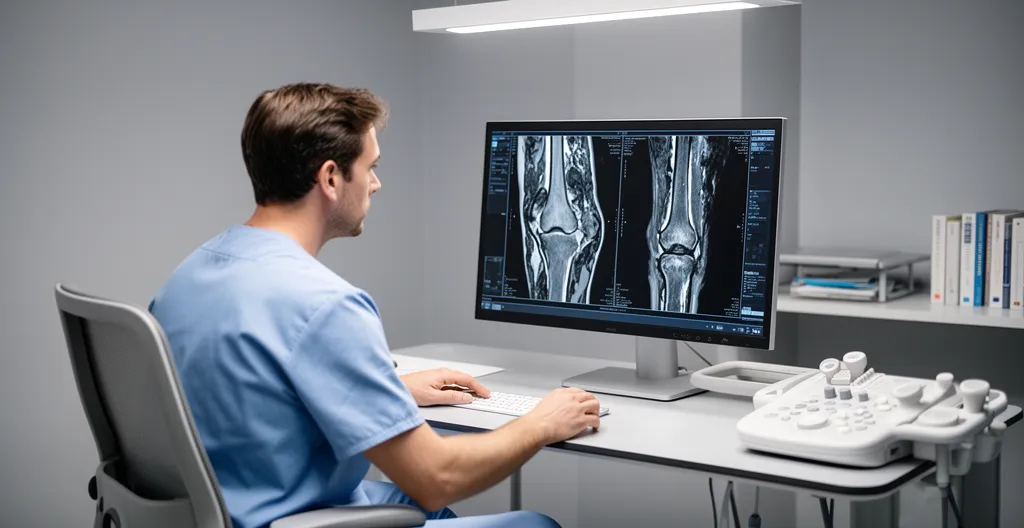
ACL Reconstruction: Graft Options and Anatomical Placement
Graft selection remains one of the most debated decisions in ligament surgery. Autografts—tissue harvested from the patient’s own body—include hamstring tendons, patellar tendon, and quadriceps tendon. Each carries trade-offs.
Hamstring autografts offer excellent tensile strength with lower anterior knee pain compared to patellar tendon grafts. The trade-off? Harvesting hamstring tendons temporarily weakens knee flexor strength—a consideration for sprinters and players requiring explosive acceleration. Patellar tendon grafts provide bone-to-bone healing at both ends, potentially accelerating integration. Athletes in high-demand sports often favour this option despite increased risk of kneeling discomfort.
Primary ACL repair has regained attention in select centres for specific tear patterns. According to a systematic review of ACL surgical approaches, repair techniques suit patients with proximal or midsubstance tears where tissue quality permits direct reattachment. Reconstruction remains standard for complete ruptures with poor tissue remnants.
| Procedure Type | Typical Duration | Recovery Timeline | Success Rate | Key Considerations |
|---|---|---|---|---|
| ACL Reconstruction (Hamstring) | 60–90 minutes | 9–12 months to sport | 85–95% | Lower anterior knee pain; temporary flexor weakness |
| ACL Reconstruction (Patellar Tendon) | 60–90 minutes | 9–12 months to sport | 85–95% | Bone-to-bone healing; potential kneeling discomfort |
| Meniscus Repair | 30–60 minutes | 3–6 months to sport | 70–90% | Preserves meniscal tissue; longer protection period than removal |
| Partial Meniscectomy | 20–40 minutes | 4–6 weeks to sport | 85%+ symptom relief | Faster recovery; increased long-term arthritis risk |
Meniscus Repair vs Removal: Preserving Long-Term Joint Health
The meniscus functions as a shock absorber distributing load across the knee joint. Removing damaged meniscal tissue—partial meniscectomy—provides rapid symptom relief. Athletes can return to competitive sports within four weeks after receiving arthroscopic treatment for simple tears, according to recovery timeline guidance from Advanced Bone & Joint.
Speed comes with cost. Every millimetre of meniscus removed increases contact pressure on articular cartilage. Long-term studies demonstrate accelerated osteoarthritis development in meniscectomy patients compared to repair patients. When tear patterns permit, repair preserves the native structure—even though recovery takes longer and re-tear risk exists.
When Surgery May Not Be the Best Option: Clinical literature from European sports medicine centres reveals a concerning pattern: patients with partial ACL tears sometimes undergo surgery when structured rehabilitation might achieve comparable outcomes. Published studies suggest this affects 15-20% of partial tear cases. This observation reflects European practice patterns and may vary based on injury classification, patient activity demands, and institutional protocols. Every knee injury requires individual assessment; surgical recommendations depend on specific injury patterns, patient factors, and functional goals.
The decision is not binary. Factors influencing repair versus removal include tear location (peripheral tears heal better due to blood supply), tear pattern (longitudinal tears repair more successfully than complex degenerative tears), patient age, and activity goals. Surgeons weigh these variables differently. Ask yours directly.
Robot-Assisted and Navigation-Guided Surgery: When Technology Matters
Technology in the operating theatre generates headlines. Robotic systems promise submillimetre precision. Navigation platforms provide real-time feedback. But do these tools translate into better outcomes for you? The answer depends on the procedure and the surgeon.
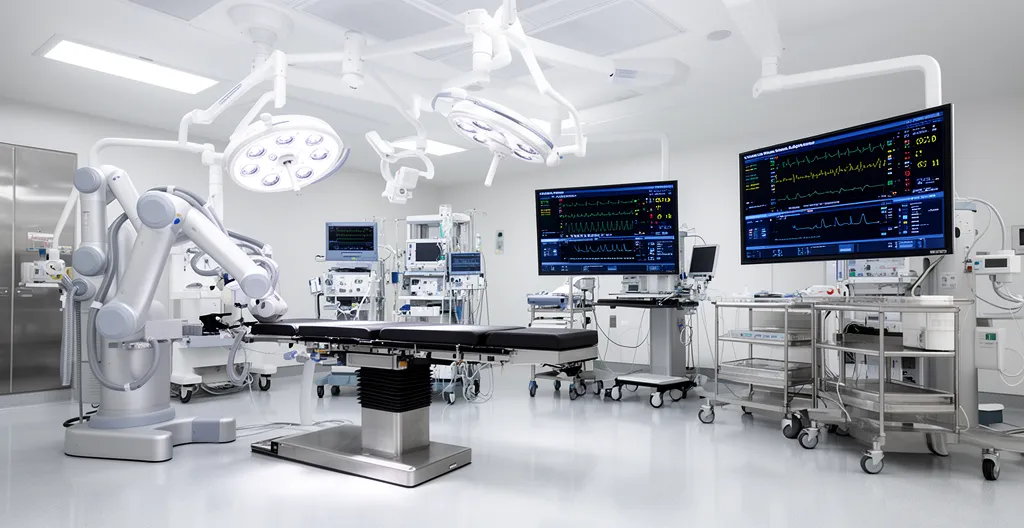
Robotic Knee Arthroplasty: Precision in Joint Replacement
Robotic-assisted total knee arthroplasty demonstrates measurable benefits. According to evidence from The Bone & Joint Journal, image-based semiactive robotic assistance shows benefits over imageless computer-assisted navigation, including shorter hospital length of stay, fewer manipulations under anaesthesia, and improved mid-term patient-reported outcomes.
This matters for joint replacement. The technology enables precise bone cuts matching preoperative planning. Component alignment improves. But context is essential—these findings apply to total knee arthroplasty (replacing the entire joint surface), not ligament reconstruction.
Robotic Surgery Advantages
- Submillimetre bone preparation accuracy
- Reproducible component positioning
- Reduced soft tissue trauma in experienced hands
- Potentially shorter hospital stays
Robotic Surgery Limitations
- Longer operative times during learning curve
- Equipment costs increase procedure expense
- Limited long-term outcome data beyond 10 years
- Surgeon skill remains dominant outcome predictor
Computer Navigation: Optimising Ligament Reconstruction Angles
Navigation technology tracks instrument position in three-dimensional space. For ACL reconstruction, this allows surgeons to verify tunnel placement before drilling. Tunnel position remains the strongest modifiable factor predicting reconstruction success or failure. Misplaced tunnels create suboptimal graft angles, increasing strain and failure risk.
The broader role of technology in healthcare systems extends beyond single procedures. Navigation represents one tool among many that experienced surgeons select based on case complexity. For straightforward ACL reconstructions in patients with normal anatomy, navigation may add operative time without improving outcomes. For revision cases or patients with unusual bone structure, navigation proves invaluable.
Technology assists. It does not replace surgical judgement. The surgeon interpreting the data and executing the procedure determines your outcome far more than the equipment used.
Preparing for Knee Surgery: What Patients Should Know Before the Operating Theatre
Surgical outcomes depend partly on decisions made before entering the operating theatre. Patients who arrive prepared—physically, mentally, and practically—navigate recovery more smoothly than those who treat surgery as something that happens to them rather than with them.

Prehabilitation—strengthening the knee before surgery—improves post-operative outcomes. Patients entering theatre with better quadriceps strength and range of motion recover faster. This seems counterintuitive when your knee hurts. But controlled exercise under physiotherapy guidance builds the foundation that rehabilitation will restore.
- Arthroscopic ACL reconstruction surgery (60-90 minutes)
- Protected weight-bearing, swelling management, range-of-motion exercises
- Progressive strengthening, stationary cycling, gait normalisation
- Sport-specific movements, running progression begins
- Functional testing, agility drills, gradual return to training
- Full sport clearance based on strength and functional criteria
The timeline above reflects contemporary ACL rehabilitation protocols from major sports surgery centres. Your journey may differ. ACL reconstruction requires 6-9 months for healthy, active patients, with surgical healing taking 6-8 weeks followed by extensive rehabilitation to restore range of motion and strength. Rushing return invites re-injury.
Monitoring symptoms throughout recovery remains critical. Understanding what constitutes normal post-operative discomfort versus warning signs requiring attention helps patients navigate the months ahead. A symptom guide to common illnesses can provide broader context for distinguishing expected healing from concerning developments.
Pre-Surgery Consultation: Essential Questions to Ask Your Surgeon
- Which graft type do you recommend for my specific injury pattern, and why?
- How many of this procedure have you performed in the past year?
- What is your personal re-rupture rate for patients similar to me?
- Do you use any navigation or robotic assistance, and would it benefit my case?
- What criteria determine when I can return to competitive sport?
- Who will manage my rehabilitation, and how will you coordinate with them?
- What happens if I experience complications or require revision surgery?
These questions are not confrontational. Surgeons expect them. The answers reveal experience, communication style, and whether expectations align. If a surgeon cannot or will not answer directly, that itself provides useful information.
Your preparation continues after booking surgery. Arrange transport for the first fortnight when driving is impractical. Stock your home with essentials at accessible heights. Inform your employer about realistic absence duration—not the optimistic minimum, but the likely reality. Recovery consumes energy. Minimising daily friction preserves that energy for healing.
Limitations and Precautions
- This content does not replace individualised surgical consultation based on imaging and physical examination
- Surgical outcomes, recovery timelines, and complication rates vary based on injury severity, patient age, and surgical expertise
- Technique availability and recommendations may differ between healthcare systems and institutions
Identified Risks:
- Risk of suboptimal outcomes if surgical technique chosen is inappropriate for specific injury pattern
- Risk of prolonged recovery if post-operative rehabilitation protocols are not followed
- Risk of re-injury if return-to-sport decisions are made without medical clearance
Professional to consult: orthopaedic surgeon specialising in sports traumatology or knee surgery
Modern knee surgery offers outcomes previous generations of athletes could not access. Techniques exist. Evidence supports them. But the decision remains yours—informed by specialist consultation, individual anatomy, and personal goals. Ask the hard questions. Demand clear answers. Then trust the process you have chosen.