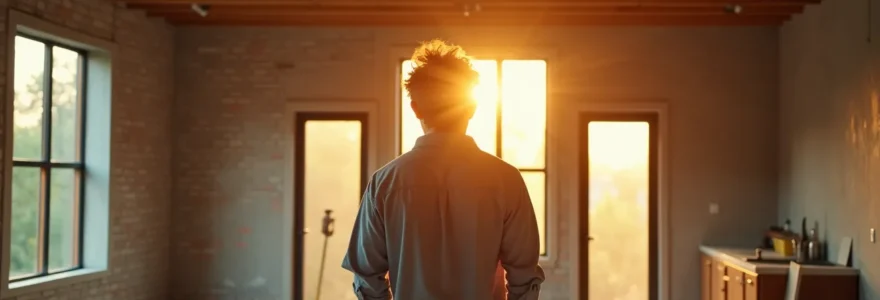
The decision to renovate feels paralyzing. You’ve walked past that outdated kitchen for years, mentally cataloging everything wrong with it. The avocado-green countertops mock you daily. Yet the leap from frustration to action requires confronting fears about cost, disruption, and the terrifying question: what if it goes wrong?
What most homeowners discover during home renovation in Ottawa transcends the physical transformation of spaces. The process becomes a revelation—uncovering hidden architectural treasures, exposing financial realities that defy conventional wisdom, and ultimately reshaping how you inhabit your daily environment. The anxious anticipation before demolition day evolves into unexpected insights about both your home’s history and your own priorities.
This journey follows a predictable emotional arc, yet each homeowner encounters unique surprises. The discoveries waiting behind your walls, beneath your floors, and within your budget projections reveal truths that no contractor estimate can predict.
Renovation Revelations: What Awaits Behind Your Walls
Embarking on a home renovation triggers an emotional rollercoaster that few homeowners anticipate. Beyond the visible transformations lie hidden structural surprises, financial calculations that challenge industry assumptions, and personal satisfaction metrics that transcend property value. This exploration reveals the psychological phases, unexpected discoveries, ROI realities, and joy factors that define the renovation experience.
- Emotional phases progress from initial excitement through sticker shock to ultimate euphoria
- Structural discoveries often reveal historical features worth preserving and integrating
- Financial returns depend heavily on timeline and renovation scope alignment
- Personal satisfaction frequently outweighs measurable property value increases
The Emotional Journey: From Anxiety to Achievement
The psychological dimension of renovation catches most homeowners unprepared. While you meticulously research contractors and compare tile samples, the emotional toll remains invisible until construction begins. Recent industry research confirms that 74% of homeowners experience some regret during renovations, a statistic that initially seems discouraging but actually validates the universality of renovation anxiety.
This regret manifests differently across project phases. The gap between Pinterest-perfect visions and mid-construction chaos creates cognitive dissonance. Dust infiltrates every corner. Normal routines collapse. The financial commitment feels overwhelming at 2 AM when you’re second-guessing every decision.
Yet these emotional lows serve a purpose in the transformation process. They force critical evaluations about what truly matters in your living space. The discomfort becomes a catalyst for clarifying priorities that remained abstract during the planning phase.
Historic Preservation Meets Modern Living: The McGuire Transformation
Seamus and Kara McGuire’s six-month transformation of a 1910 double shotgun home demonstrates how historic features can be successfully merged with modern design, preserving six original fireplaces while creating a unified family space. Their approach honored the home’s architectural heritage while addressing contemporary functionality needs, proving that renovation need not erase history to achieve modern comfort.
The psychological complexity extends beyond aesthetic decisions into deeper life questions. One homeowner’s reflection captures this intersection between physical renovation and emotional processing perfectly.
My home renovation struggles reflect larger questions in my life: ‘How can I enjoy life?’ and ‘How can I live a fulfilled life without emotional traumas such as survivor guilt?’ Even after fifteen years of recovery, learning to live with joy and contentment remains a journey.
– Homeowner, Coffee with JR
Understanding the emotional trajectory helps homeowners maintain perspective during challenging moments. The pattern follows recognizable stages, each with distinct psychological markers and coping strategies.
Emotional Phases of Home Renovation
- Phase 1: Initial excitement when signing up for big changes
- Phase 2: Sticker shock when receiving contractor estimates
- Phase 3: Anticipation during the waiting period between contract and start
- Phase 4: Frustration with construction noise and disruption
- Phase 5: Joy and ecstasy upon project completion
Recognizing these phases as normal components of the renovation journey reduces the isolation homeowners feel during difficult moments. The anxiety proves temporary; the achievement endures.
Hidden Treasures: Unexpected Structural Discoveries
Demolition day reveals what decades of previous owners concealed beneath layers of renovation choices. The first sledgehammer swing often exposes architectural elements that transform project scope and budget. These discoveries range from delightful to devastating, yet they consistently provide insights into your home’s narrative.
Original hardwood floors hidden beneath linoleum represent common finds. Brick walls buried behind drywall offer textural richness that no modern material replicates. Homeowners pursuing contemporary aesthetics suddenly confront preservation decisions they never anticipated making.
The moment when historical features emerge from behind modern coverings creates an inflection point. Do you honor the original craftsmanship or proceed with your planned vision? This decision encapsulates the revelation process—renovation forces you to articulate values you hadn’t consciously examined.

The tactile presence of century-old brickwork changes spatial perception immediately. What began as a simple drywall removal becomes an opportunity to celebrate authentic materials and craftsmanship traditions. Many homeowners choose to feature these discoveries rather than conceal them again, integrating historical authenticity into modern design schemes.
Structural surprises extend beyond aesthetically pleasing finds. Load-bearing walls appear where floor plans suggested open possibilities. Outdated electrical systems require comprehensive upgrades. Plumbing configurations reveal previous layout iterations. Each discovery demands budget and timeline adjustments while simultaneously deepening your understanding of the home’s evolution.
These revelations often prove valuable despite initial frustration. Identifying structural issues during planned renovation prevents future emergency repairs. The comprehensive approach to updating systems enhances long-term home performance and safety.
For guidance on navigating complex design decisions when unexpected discoveries alter your original plans, exploring resources like Designing Your Own House can provide valuable frameworks for integrating new information into your vision.
Financial Reality Check: ROI Revelations That Surprise
The financial mathematics of renovation defies simplistic return-on-investment calculations. Industry wisdom suggests kitchen and bathroom updates deliver maximum value, yet this guidance oversimplifies a complex equation involving timeline, market conditions, and personal use value.
Homeowners obsessing over resale value often overlook a critical variable: duration of ownership. The financial calculus shifts dramatically based on whether you plan to sell within one year, five years, or never. Short-term thinking prioritizes cosmetic improvements with broad appeal. Long-term ownership justifies structural investments that enhance daily living quality regardless of resale impact.
The renovation-to-resale timeline determines which projects make financial sense. Minor cosmetic updates like fresh paint, modern fixtures, and landscaping enhancements deliver disproportionate returns when selling quickly. Major structural changes rarely recoup costs in immediate sales but provide compounding value through years of improved functionality and reduced maintenance.
Budget revelations emerge throughout the process. Initial contractor estimates represent starting points rather than fixed costs. Change orders accumulate as hidden issues surface and design preferences evolve. Homeowners who allocate 15-20% contingency budgets navigate surprises with less financial stress than those operating at maximum budget capacity.
The relationship between investment and value transcends numerical calculations. Renovation creates intangible returns—reduced stress from functional layouts, improved health from better air quality and natural light, enhanced relationships from spaces designed for connection. These benefits resist quantification yet profoundly impact quality of life.
Material selection exemplifies this tension between cost and value. Budget constraints tempt homeowners toward economy options, yet strategic investment in high-impact elements delivers superior long-term satisfaction. Thoughtful choices about where to splurge and where to save distinguish successful renovations from regretful compromises. For those considering statement pieces that elevate entire spaces, insights from resources like Enhance Your Interior Design demonstrate how targeted investments create disproportionate aesthetic impact.
The financial revelation most homeowners experience involves recognizing renovation as investment in daily experience rather than purely financial asset appreciation. While property value considerations matter, the calculation must include years of improved living quality, functionality gains, and personal satisfaction that resist balance sheet quantification.
Key Takeaways
- Emotional phases from excitement through frustration to joy follow predictable patterns across renovation projects
- Structural discoveries behind walls often reveal historical features worth preserving and integrating into modern designs
- Financial returns depend critically on ownership timeline with cosmetic updates favoring quick sales and structural improvements rewarding long-term living
- Personal satisfaction metrics including functionality stress reduction and aesthetic pleasure often outweigh measurable property value increases
- Strategic material investments in high-impact elements deliver superior satisfaction compared to economy choices across all categories
The Joy Factor: Personal Satisfaction Beyond Property Value
The final revelation arrives when construction dust settles and you inhabit the transformed space. The joy factor—that ineffable satisfaction from living in an environment aligned with your needs and aesthetics—emerges as renovation’s most significant yet least discussed benefit.
This satisfaction operates independently from property value metrics. A custom bookshelf designed for your exact collection might add minimal resale value while delivering daily pleasure for decades. A kitchen layout optimized for your cooking style creates efficiency gains that compound through thousands of meal preparations. These personalized elements justify renovation investments that pure ROI calculations would reject.
The psychological impact of inhabiting well-designed space extends into unexpected life domains. Homeowners report improved sleep quality in bedrooms with optimized lighting and temperature control. Family relationships strengthen in living areas designed for connection rather than isolation. Productivity increases in home offices with proper acoustics and natural light.
These quality-of-life improvements resist quantification yet profoundly justify renovation investments. The calculation shifts from “will this increase my home’s value?” to “will this enhance how I live daily?” The latter question proves more relevant for long-term homeowners who measure success in years of satisfaction rather than eventual sale price.
The joy factor also encompasses pride of creation and problem-solving accomplishment. Homeowners who actively participate in design decisions develop deeper connections to their spaces. The renovation process itself—despite its challenges—becomes a meaningful achievement that enhances the final result’s emotional value.
Perhaps most surprisingly, renovation satisfaction often correlates inversely with project scale. Modest updates that solve specific frustrations sometimes deliver greater joy than comprehensive overhauls. A perfectly organized pantry might provide more daily pleasure than a showcase kitchen. The key involves identifying genuine pain points rather than pursuing magazine-worthy aesthetics.
This principle suggests renovation success depends less on budget magnitude than alignment between investment and actual needs. Homeowners who ruthlessly prioritize functionality over showpiece features typically report higher satisfaction. The revelation involves recognizing that your renovation serves your life, not theoretical future buyers or social media audiences.
The transformation extends beyond physical space into how you perceive home itself. Renovation forces intimate engagement with every corner, every surface, every system. This process deepens appreciation for shelter’s fundamental role in daily life. The home transitions from backdrop to active participant in your wellbeing.
Frequently Asked Questions on Home Renovation
Should I focus on major or minor renovations for resale?
If selling within 1 year, focus on minor cosmetic improvements like paint, fixtures, and landscaping. For 2-5 year timelines, strategic improvements like doors, windows, and bathrooms can add significant value. Major renovations rarely pay off if you’re selling soon.
How much contingency budget should I allocate for unexpected issues?
Industry best practice recommends 15-20% contingency above your base renovation budget. This buffer accommodates hidden structural issues, code compliance upgrades, and design changes that emerge during construction without derailing the project financially.
What emotional phases should I expect during renovation?
Most homeowners experience five distinct phases: initial excitement, sticker shock from estimates, anticipation before work begins, frustration during active construction, and joy upon completion. Recognizing these as normal helps maintain perspective during challenging moments.
How do I decide whether to preserve historical features discovered during demolition?
Evaluate discovered features based on three criteria: structural integrity, aesthetic alignment with your design vision, and maintenance requirements. Original elements like brick walls or hardwood floors often provide character that modern materials cannot replicate, justifying integration into updated designs.