
Social media warnings about “hidden dangers” in everyday foods can turn routine meal planning into a source of anxiety. If recent articles about lectins have made you question whether the beans, whole wheat bread, and tomatoes your family eats regularly are actually safe, you’re facing a legitimate concern wrapped in considerable misinformation.
Foods containing lectins are safe to eat and nutritionally beneficial when prepared using standard cooking methods already practiced in most American kitchens. The documented risks associated with lectins apply almost exclusively to raw or severely undercooked beans—a rare scenario that proper preparation easily prevents.
The widespread alarm about lectins stems from a confusion between consumption of raw plant foods (which does present a real but uncommon risk) and properly prepared foods (which are both safe and healthful). Understanding this distinction, backed by FDA data and epidemiological evidence, allows families to continue enjoying nutrient-dense legumes, whole grains, and vegetables with confidence rather than fear.
This article provides general nutritional information about lectin-containing foods based on current scientific evidence and USDA guidelines. It is not personalized medical advice. Individuals with diagnosed autoimmune conditions, persistent digestive symptoms, or specific dietary concerns should consult a registered dietitian or gastroenterologist for guidance tailored to their health status.
- What are lectins and where do they come from?
- Are lectins actually harmful to human health?
- Common lectin-rich foods that offer significant nutritional value
- How does cooking reduce or eliminate lectins?
- Building a balanced diet that includes lectin-containing foods
- Who should exercise caution with high-lectin foods?
- Can lectins have any beneficial effects?
- Making informed choices about lectin-containing foods
What are lectins and where do they come from?
Lectins are carbohydrate-binding proteins found naturally in the majority of plant-based foods. Rather than modern additives or contaminants, they represent an ancient evolutionary adaptation—a natural defense mechanism plants developed to protect themselves against predators, parasites, and pathogens.
From a biological perspective, lectins discourage consumption of raw seeds and beans, allowing plants to protect their reproductive material until conditions favor germination. This function explains why lectin concentrations are typically highest in the seed and bean families, though the compounds appear throughout the plant kingdom at varying levels.
Lectins explained simply: These proteins bind to carbohydrates on cell surfaces. In plants, they serve protective functions. In raw or undercooked form, high concentrations can interfere with human digestion, but cooking neutralizes this effect in the vast majority of foods.
The primary dietary sources of lectins include legumes such as kidney beans, black beans, lentils, chickpeas, and peas; whole grains including wheat, brown rice, oats, and quinoa; and nightshade vegetables like tomatoes, potatoes, eggplants, and peppers. One specific type called phytohaemagglutinin, found in particularly high concentrations in raw kidney beans, accounts for most documented cases of lectin-related illness.
Because lectins occur so widely across plant species, complete elimination from the diet would require removing nearly all vegetables, grains, legumes, and many fruits—an approach that contradicts established nutritional science and USDA dietary recommendations. The ubiquity of these proteins in nutritious plant foods signals that the issue lies not with lectins themselves, but with how specific foods containing them are prepared and consumed.
Are lectins actually harmful to human health?
The critical distinction determining whether lectins pose health risks centers on a single factor: whether foods are consumed raw or properly cooked. This difference transforms the entire risk profile.
According to the U.S. Food and Drug Administration, phytohaemagglutinin in raw kidney beans can cause nausea, severe vomiting, and diarrhea at high levels. However, the same FDA guidance confirms that soaking beans for at least 5 hours followed by boiling in fresh water eliminates this toxin. The University of Illinois Extension, citing FDA data, specifies that maintaining a vigorous boil for at least 10 minutes at 212°F (the boiling point of water) destroys phytohaemagglutinin, though beans require additional simmering time to reach desired tenderness. The transformation is dramatic: raw kidney beans may contain toxic levels of lectins, while the same beans after proper cooking present no documented health risk.
Raw or undercooked beans: the real lectin risk: Documented cases of lectin toxicity in the United States are extremely rare and almost exclusively involve kidney beans that were either eaten raw or cooked at insufficient temperatures, particularly in slow cookers. Eating as few as four to five undercooked kidney beans can trigger acute digestive symptoms within one to three hours.
The epidemiological context further undermines the argument that lectins in properly prepared foods pose widespread health threats. Populations in Blue Zones—regions including Sardinia, Italy; Okinawa, Japan; and Loma Linda, California, where residents demonstrate exceptional longevity—consume legume-rich diets as dietary staples. Research supported by the National Institute on Aging and documented in National Academies Press publications identifies these populations as living approximately seven years longer than average Americans while regularly eating the very foods that anti-lectin advocates recommend eliminating.
If lectins in traditionally prepared beans, lentils, and whole grains caused the inflammation and disease claimed by some dietary movements, populations consuming these foods most heavily would logically show increased disease rates rather than the reduced cardiovascular disease and extended lifespans actually observed. This paradox reveals the gap between alarmist dietary claims and verified health outcomes.
The prevailing scientific consensus, reflected in USDA Dietary Guidelines and position statements from nutrition professional organizations, does not support broad lectin avoidance. Instead, public health guidance consistently emphasizes increasing consumption of legumes and whole grains—precisely the foods highest in lectins when raw but nutritionally beneficial when properly prepared.
Common lectin-rich foods that offer significant nutritional value
The foods most frequently targeted by anti-lectin messaging also rank among the most nutritionally valuable components of balanced diets, extensively studied and recommended by federal nutrition authorities.
Legumes—including black beans, kidney beans, lentils, chickpeas, and peas—provide exceptional plant-based protein, dietary fiber, iron, folate, and magnesium. A single cup of cooked black beans delivers approximately 15 grams of protein and 15 grams of fiber, meeting significant portions of daily nutritional requirements while containing minimal fat and no cholesterol. The USDA Dietary Guidelines for Americans 2020-2025 specifically recommend consuming approximately 1.5 to 2.5 cups of legumes per week as part of healthful eating patterns.
Whole grains such as brown rice, whole wheat, oats, and quinoa supply B vitamins, minerals including selenium and magnesium, and dietary fiber largely absent from refined grain products. Federal dietary guidance recommends that at least half of grain consumption come from whole grain sources, recognizing their documented association with reduced risk of cardiovascular disease and type 2 diabetes.
Nightshade vegetables, including tomatoes, potatoes, eggplants, and peppers, contribute vitamin C, potassium, and various antioxidant compounds. Tomatoes specifically provide lycopene, a carotenoid associated with potential health benefits that has been the subject of considerable nutritional research.
| Food Category | Key Nutritional Benefits | Lectin Concern When Properly Cooked |
|---|---|---|
| Legumes (beans, lentils) | High protein, fiber, iron, folate; recommended 1.5-2.5 cups/week by USDA | Negligible after proper cooking |
| Whole grains (brown rice, wheat) | B vitamins, fiber, minerals; recommended as ≥50% of grain intake | Negligible after standard preparation |
| Nightshades (tomatoes, potatoes) | Vitamin C, potassium, lycopene, antioxidants | Negligible with normal cooking |
These foods form foundational elements of eating patterns recognized by nutrition science as health-promoting, including Mediterranean-style diets and plant-forward approaches emphasized in MyPlate guidance. Eliminating entire food groups that federal health authorities actively recommend consuming represents a departure from evidence-based nutrition, typically justified by selective interpretation of biochemical data divorced from actual health outcomes.
Current dietary surveys indicate that most Americans consume insufficient amounts of legumes and whole grains relative to recommendations, suggesting that the public health challenge involves increasing rather than restricting intake of these lectin-containing foods.
How does cooking reduce or eliminate lectins?
Proper food preparation neutralizes lectin activity through well-established mechanisms, transforming potentially problematic raw ingredients into safe, nutritious meal components. The methods involved are neither complex nor unusual—most represent standard cooking practices already familiar to home cooks.
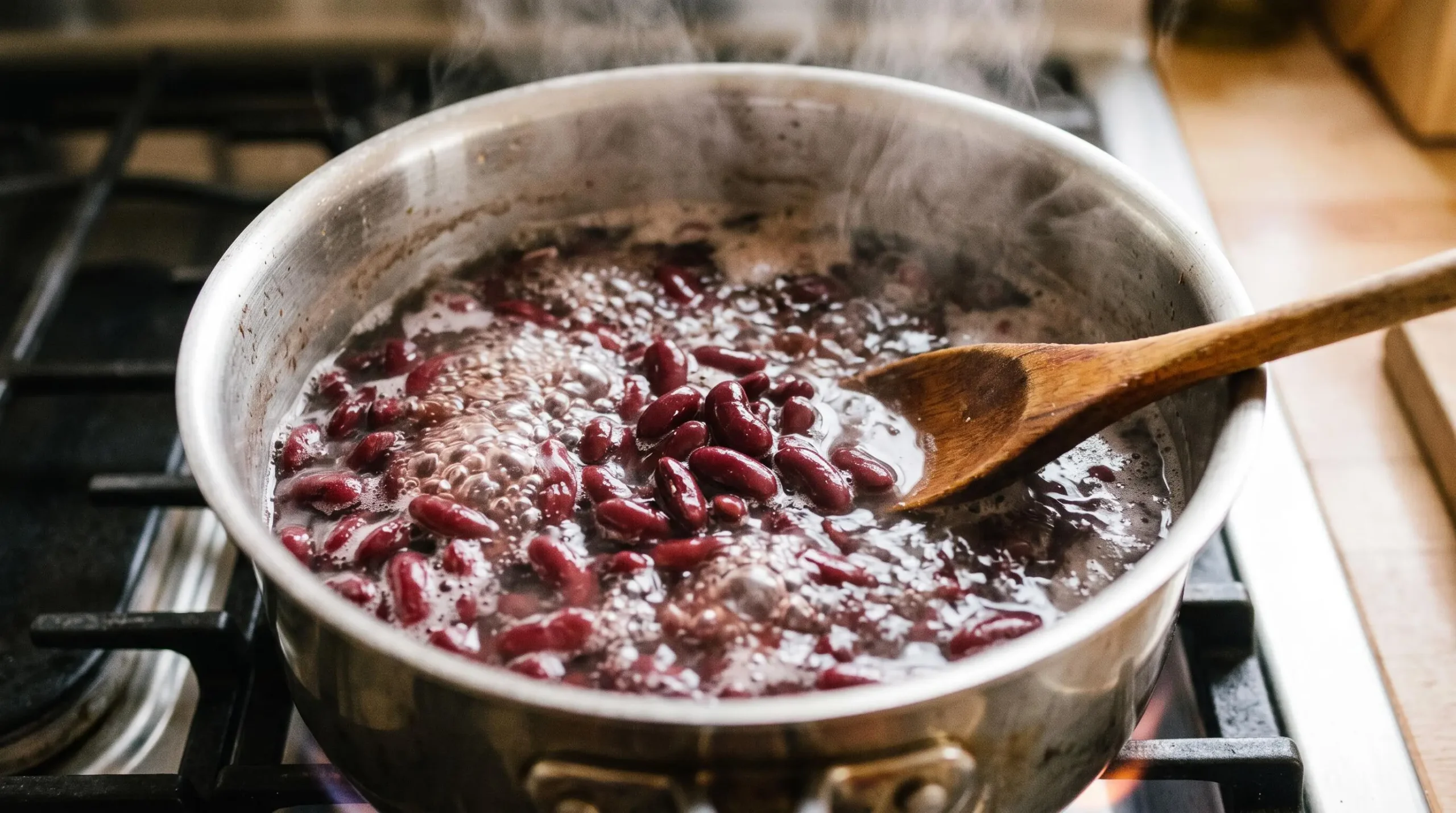
Soaking and boiling dried legumes
The University of Illinois Extension, citing FDA data, confirms that phytohaemagglutinin is destroyed at 212°F (the boiling point of water) when beans are cooked for at least 10 minutes at a vigorous rolling boil. This critical initial boiling phase achieves more than a 99% reduction in lectin content from raw levels. Additional cooking time beyond this minimum is necessary to soften beans to an edible texture but does not further reduce lectin levels.
- Soak dried beans for a minimum of 5 hoursPlace beans in a bowl with three times their volume of cold water. Overnight soaking (8-12 hours) is traditional and convenient. This step begins lectin reduction and improves digestibility.
- Drain and rinse thoroughlyDiscard soaking water completely and rinse beans under fresh running water. Do not cook beans in their soaking liquid.
- Cover with fresh water in a potUse approximately three cups of fresh water per cup of drained beans. Ensure beans remain submerged throughout cooking.
- Bring to a vigorous rolling boilHeat on high until large bubbles continuously break the surface. Maintain this full boil for at least 10 minutes without reducing heat. This critical step eliminates lectin toxicity.
- Reduce heat and simmer until tenderAfter the initial 10-minute boil, reduce to a gentle simmer and continue cooking for 45 minutes to 2 hours depending on bean variety, until beans reach desired tenderness.
Pressure cooking advantages
Electric pressure cookers, including popular Instant Pot models, offer particularly effective lectin reduction. These appliances reach internal temperatures of 240-250°F under pressure—well above the boiling point—thoroughly destroying lectins while reducing cooking time compared to traditional stovetop methods. Pressure cooking dried beans that have been soaked typically requires 10 to 25 minutes at high pressure depending on variety, followed by natural pressure release.
The slow cooker warning
A critical safety concern that receives insufficient attention involves slow cookers. According to University of Illinois Extension research, beans prepared in slow cookers often reach only an internal temperature of approximately 167°F, even on high settings. This temperature falls significantly below the 212°F required to destroy phytohaemagglutinin.
Slow cooker safety alert for dried beans: Do not cook dried beans from their raw state in a slow cooker. The insufficient temperature can actually increase lectin toxicity rather than reducing it. If using a slow cooker for bean dishes, either use canned beans (already fully cooked) or boil dried beans on the stovetop for at least 10 minutes before transferring to the slow cooker.
Other lectin-containing foods
Tomatoes, potatoes, and other nightshade vegetables contain substantially lower lectin levels than raw beans and lose the majority of lectin content through normal cooking methods such as roasting, sautéing, or simmering in sauces. No special precautions beyond standard cooking are necessary for these foods. Whole grains similarly lose most lectin activity during typical cooking processes like boiling rice or baking bread.
Canned beans represent a convenient, safe alternative to cooking dried beans from scratch. The commercial canning process involves high-temperature cooking that eliminates lectins completely. Rinsing canned beans under water before use reduces sodium content while maintaining their lectin-free status and nutritional value.
Building a balanced diet that includes lectin-containing foods
Integrating lectin-containing foods into weekly meal planning requires no specialized knowledge beyond the standard cooking practices already discussed. The approach emphasizes adaptation of existing family meals rather than dietary revolution.
The USDA Dietary Guidelines for Americans 2020-2025 recommend consuming 1.5 to 2.5 cups of legumes weekly (depending on caloric needs) and obtaining at least half of total grain servings from whole grain sources. These evidence-based targets provide measurable goals for families seeking to align their eating patterns with national nutrition recommendations.
Practical integration into typical American family meals might include black bean tacos on Monday, lentil soup on Wednesday, chickpea curry on Friday, with brown rice serving as a side dish three times weekly. These applications fit naturally into familiar meal formats without requiring unfamiliar recipes or expensive specialty ingredients.
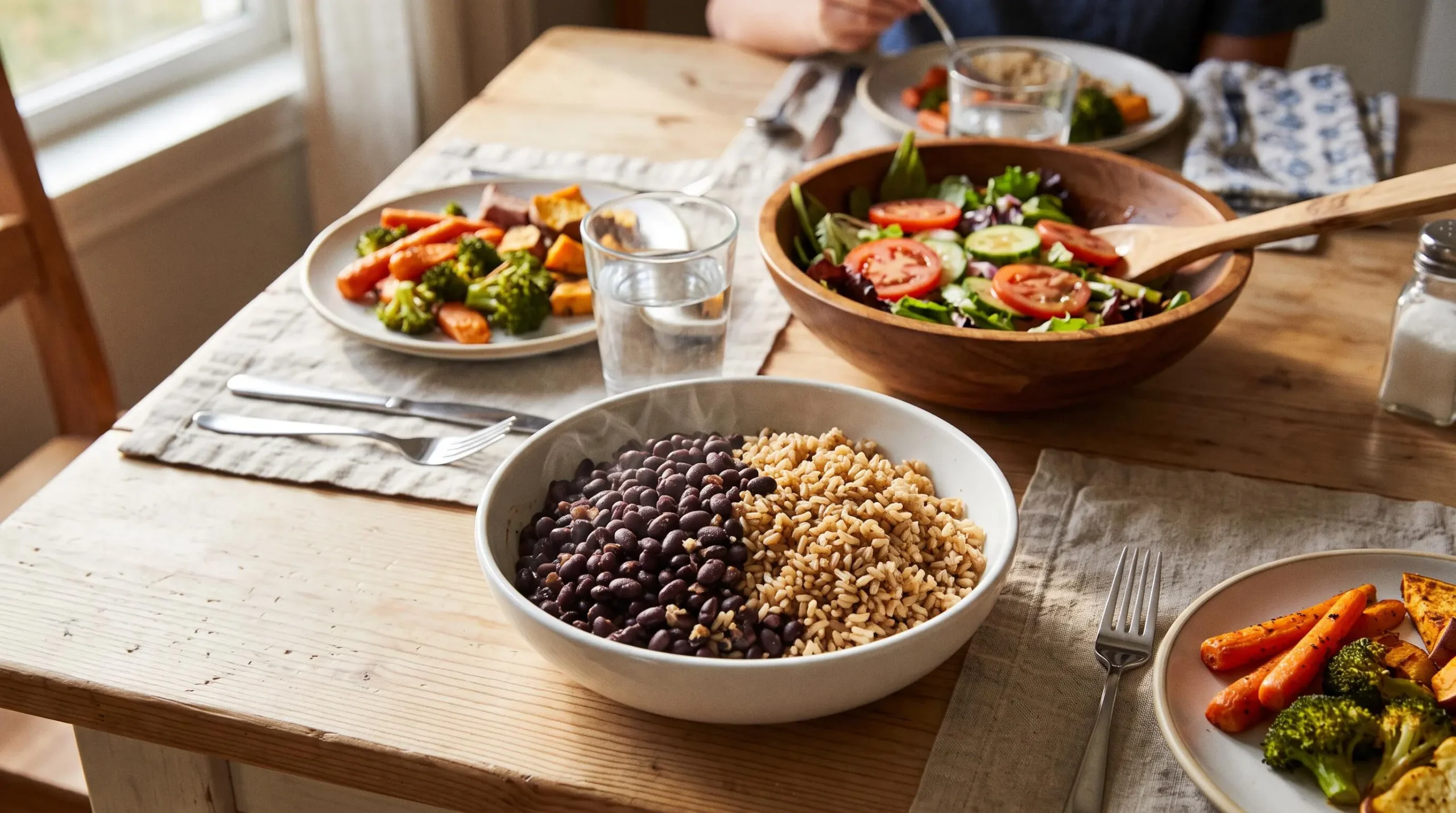
Time-saving strategies address the legitimate constraint of busy schedules. Batch cooking dried beans on weekends—preparing two to three pounds at once—allows portioning into meal-sized containers for freezing. Frozen cooked beans maintain quality for three to four months and thaw quickly for weeknight meals. Canned beans provide an equally safe and more immediately convenient option for particularly hectic weeks, with rinsing reducing sodium content to more moderate levels.
Variety across legume types (black beans, pinto beans, lentils, chickpeas), whole grains (brown rice, quinoa, oats, whole wheat), and preparation methods prevents monotony while optimizing nutritional diversity. Rotating between different options weekly ensures broader micronutrient intake compared to repetitive meal patterns.
Budget considerations favor lectin-rich foods. Dried beans rank among the most economical protein sources available, costing a fraction of animal proteins per serving. Whole grains purchased in bulk similarly offer excellent nutritional value relative to cost, making these foods accessible across income levels.
- Soak dried beans minimum 5 hours, boil vigorously for at least 10 minutes before simmering to tenderness
- Never cook raw dried beans directly in a slow cooker; use stovetop boiling or pressure cooking instead
- Target USDA recommendations: 1.5-2.5 cups legumes weekly, make half of grains whole grains
- Use canned beans when time-constrained—they’re already fully cooked and lectin-free after rinsing
Who should exercise caution with high-lectin foods?
The vast majority of individuals consuming properly prepared lectin-containing foods experience no adverse effects and gain substantial nutritional benefits. However, some specific circumstances warrant individualized consideration.
Emerging research explores potential relationships between lectins and certain autoimmune conditions, though scientific consensus on causal relationships remains incomplete. The current evidence consists primarily of preliminary studies, biochemical plausibility arguments, and hypothesized mechanisms rather than definitive clinical trials demonstrating that lectin avoidance improves autoimmune disease outcomes in human populations.
Individuals experiencing persistent digestive symptoms after consuming beans or whole grains may attribute discomfort to lectins when other factors are actually responsible. Dietary fiber, suddenly increased in individuals unaccustomed to high-fiber foods, commonly causes temporary bloating and gas as the digestive system adapts. Oligosaccharides (fermentable carbohydrates known as FODMAPs) present in beans can trigger symptoms in people with irritable bowel syndrome or specific carbohydrate sensitivities, independent of lectin content.
Self-diagnosis of lectin sensitivity risks misidentifying the actual cause of symptoms, potentially leading to unnecessary elimination of nutritious food groups. This approach can result in inadequate fiber intake, reduced diet quality, and nutritional gaps that professional guidance would prevent.
When to consult a registered dietitian or gastroenterologist: If you experience consistent digestive discomfort, unexplained inflammation markers, or suspect food sensitivities, seek evaluation from qualified professionals. A supervised elimination and reintroduction protocol can identify actual triggers accurately, distinguishing between lectins, fiber, FODMAPs, gluten, or other factors. This prevents unnecessary dietary restrictions while addressing genuine health concerns.
For individuals with diagnosed autoimmune conditions who are exploring dietary modifications, discussions with rheumatologists or registered dietitians familiar with autoimmune nutrition can provide personalized guidance based on current research, individual health status, and treatment goals. Blanket elimination based solely on popular diet books or social media content overlooks the complexity of autoimmune disease management and the absence of universal dietary triggers across diverse conditions.
No major medical or nutrition professional organization currently recommends population-wide lectin avoidance. The Academy of Nutrition and Dietetics, American Gastroenterological Association, and other authoritative bodies continue to endorse legume and whole grain consumption as components of healthful eating patterns.
Can lectins have any beneficial effects?
Scientific understanding of lectins extends beyond their potential toxicity in raw form to include emerging research on possible health benefits, adding further nuance to simplistic characterizations of these proteins as purely harmful.
Laboratory studies, primarily conducted in cell cultures (in vitro) and animal models, suggest certain lectins may possess anti-cancer properties. Research has examined how specific lectins might induce apoptosis (programmed cell death) in cancer cells or inhibit tumor growth through various mechanisms. These findings remain preliminary, representing early-stage research requiring substantial additional study in human populations before any clinical applications or dietary recommendations could be justified.
Some research explores potential prebiotic effects of certain lectins, investigating their influence on gut microbiome composition and metabolic functions. As scientific understanding of the complex interactions between dietary components and intestinal bacteria advances, lectins represent one category of compounds under investigation for possible beneficial microbiome modulation.
In medical research contexts, lectins serve as valuable tools for cell biology studies, diagnostic applications, and exploratory therapeutic development. The scientific community’s continued interest in lectin applications across multiple fields reflects recognition that these proteins possess complex biological activities rather than functioning simply as toxins to be universally avoided.
The most scientifically sound perspective recognizes that categorizing lectins as categorically “good” or “bad” oversimplifies their actual role in nutrition and health. Effects depend on lectin type, concentration, food preparation method, and individual physiological context. This complexity explains why nutrition science emphasizes preparation methods and overall dietary patterns rather than recommending elimination of entire food groups based on the presence of specific compounds.
Making informed choices about lectin-containing foods
The evidence-based approach to lectins requires practical application of straightforward food safety principles rather than dietary restriction. The two essential practices—soaking dried beans for at least 5 hours and maintaining a vigorous boil for 10 minutes before reducing to a simmer—represent the only adjustments most American families need to implement. Never cook raw dried beans directly in slow cookers; this specific practice can increase rather than reduce lectin levels.
For families already consuming legumes, whole grains, and nightshade vegetables using standard cooking methods (boiling, pressure cooking, baking, roasting), these practices already provide adequate lectin reduction. The documented health benefits—reduced cardiovascular disease risk, improved metabolic health, and increased longevity observed in populations consuming these foods regularly—substantially outweigh the easily managed preparation considerations.
Questions about individual tolerance, persistent digestive symptoms after consuming properly prepared lectin-containing foods, or concerns related to specific autoimmune conditions warrant consultation with registered dietitians or gastroenterologists. Professional evaluation can distinguish between lectin sensitivity, fiber adaptation, FODMAP intolerance, or other factors without unnecessary dietary restriction.
Resources for evidence-based nutrition guidance include the USDA’s MyPlate website for meal planning and the Academy of Nutrition and Dietetics for finding qualified nutrition professionals. Those interested in exploring nutritional benefits of other plant foods might find value in examining fruits rich in vitamin C, which similarly demonstrate how whole foods offer benefits that isolated compound analysis might overlook.
Informed food choices rest on documented evidence and practical food safety rather than anxiety about theoretical risks. Standard cooking practices already provide the protection that alarmist messaging suggests requires radical change.